JP Farley is integrating Zaki Point into every plan it writes. The platform consolidates member tools, customer service, and plan data into a unified experience, with the clear objective of making benefits easier to access …
November 25, 2026
J.P.Farley brings ZakiPoint Solution to Humanize Health-Plan Communication
JP Farley is integrating Zaki Point into every plan it writes. The platform consolidates member tools, customer service, and plan data into a unified experience, with the clear objective of making benefits easier to access and healthcare spending more purposeful.
James Farley | J.P.Farley Corp Tweet
A health plan is often judged at the moment it is needed: a bill arrives, a procedure is scheduled, or a hospital discharge depends on home care being approved. At that point, a benefit buried in a booklet or an answer scattered across several systems is no benefit at all. It can lead to errors, delays, and frustration.
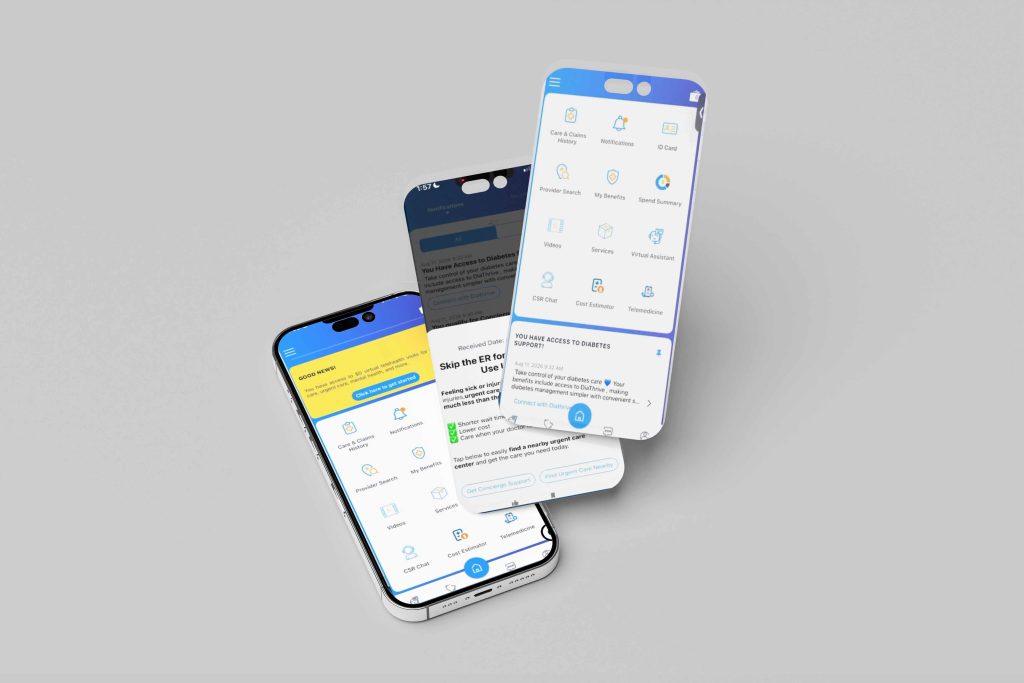
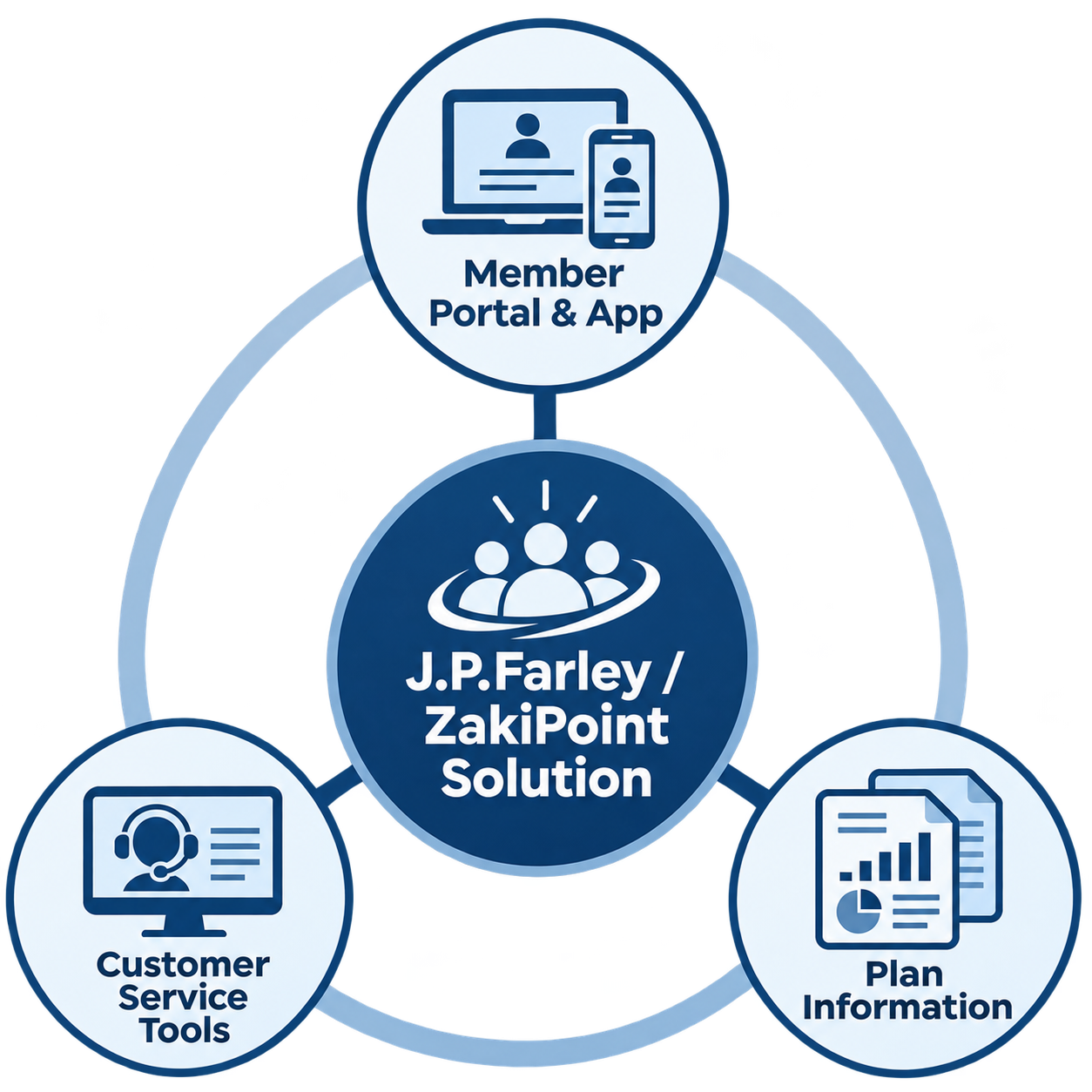
Zaki Point is JP Farley’s answer to that disconnect. Included with every plan the company writes from now on, it brings the member portal and app, customer-service tools, and plan information together. Employees can find benefits and track claims; representatives can view the same information; employers and advisers can examine trends and put relevant options in front of members.
We strongly believe that benefits should be easy to find, easy to understand, and useful when people need them. For employers, that is also a financial issue. A lower-cost care option or preventive service creates little value if employees never hear about it. Better access can help turn plan design into real use, and turn spending into value.
One shared view, fewer dead ends
The problem is fragmentation. Members see one version of their benefits; service teams work from another. Employers may have cost data, but no direct route from that insight to a useful message for employees. Each hand-off adds friction, delay, and room for confusion.
The new J.P.Far;ey / ZakiPoint solution gives the member and service representative a common view. They can follow a claim from receipt through processing and see what has been applied to the member’s responsibility and what has been paid to the provider.
It is especially important when a member is trying to understand a bill or prepare for an MRI, scan, or other procedure. The service team can review coverage, accumulated expenses and likely out-of-pocket costs while helping the member locate care and understand next steps. Instead of searching across screens, both sides can focus on the question that brought the member to the phone.
The strongest service tool is not the one that replaces people. It is the one that gives them the right information in time to help. Less searching means more attention for the person on the call.
Consider a patient who could not leave hospital until home-health care was authorized. The request had never reached the authorization team. The service team tracked down the gap, contacted the provider to submit the paperwork, sought an expedited review and kept the patient’s wife informed as the case progressed. The work required calls and persistence; a shared, clearer view helped the team see what had gone wrong and act.
This is what technology should do in healthcare administration: make the next useful action clearer. It cannot guarantee approval or replace coordination between providers and plan administrators. It can help staff find the point of failure sooner and take ownership of the follow-up – often the difference between a process that stalls and one that moves.
Silence is its own burden. When a problem takes time, regular updates tell members what has happened, what remains and who is working on it. In moments of uncertainty, communication is not window dressing; it is part of the service.
Watch the full interview, featuring James Farley, the President of J.P.Farley, Jacklyn Mains, ZakiPoint Health, Andi Hite, Head of Customer Service at J.P.Farley and Karen Cristino, Head of Marketing at J.P.Farley.
Data should lead to action (otherwise, what is it good for?)
The same principle applies to employers: data is valuable when it changes a decision. Plan reporting and member communications have often operated on separate tracks. J.P.Farley / Zakipoint solution is designed to connect them, giving employers and advisers a route from identifying a cost pattern to reaching the people who can act on it.
Suppose spending rises among members with diabetes, or emergency-room use is unusually high in one location. A dashboard can surface the signal; the next step is to investigate it. If a suitable lower-cost medication option or care programme is available, the employer and its advisers can communicate it to the members who may benefit, then check whether people used it and whether the pattern changed.
That is a more disciplined approach to benefits management: spot a problem, offer an alternative and measure what follows over the next three, six or nine months. Sending a campaign is not the same as producing savings. The value lies in connecting the outreach to actual member choices and plan results.
Prevention is another opportunity. A member calling with a routine claim question may also be due for a covered screening or a visit with a primary-care provider. With relevant plan information available, a representative can point the member toward preventive care or care-navigation support before a missed appointment becomes a larger health and cost problem.
The opportunity is to make ordinary service calls more useful - not to turn them into robotic scripts. A reminder only helps when it is accurate, relevant to the member’s plan, and delivered with care.
James Farley | J.P.Farley Corp Tweet
A benefit unused is a benefit wasted
Employers and advisers invest time designing plans that combine a primary provider network with targeted options for diabetes support, musculoskeletal care, imaging and other services. These additions may offer better value or a more suitable route to care. But the economics work only if employees know the options exist and can find them when they need them.
Open-enrolment packets have a short shelf life in people’s minds. A searchable benefit guide and prominent links to key services can keep the plan useful long after enrollment ends. Bringing related benefits into one portal can also reduce the maze of separate websites and log-ins employees are otherwise expected to navigate.
Better access to information can also make self-funded plans easier to manage. Employers take on more direct responsibility for claims costs, but gain more opportunity to understand and shape their benefits. That flexibility is compelling only when the employer and its advisers can see what is happening and communicate clearly with employees. Of course, no platform can eliminate risk, but we’ve worked hard to make the plan clearer and its available tools easier to use.
At its core, the proposition is about whose interests a health plan serves. JP Farley works for a service fee, not by retaining money from unpaid claims. Its stated aim is to help employees receive the benefits their plans provide, with less delay and confusion. There is no interest in not paying a claim. And we truly believe a plan is not successful merely because it controls spending, but because it delivers the coverage people are paying for.
The Test: Better Care, Better Value.
Zaki Point’s promise is not more information for its own sake. It is one connected picture of the plan, shared by members, service teams, employers and advisers – and put to work when a claim, a care decision or a cost trend calls for action.
Do members get clearer answers? Are stalled authorizations and claims addressed sooner? Do employees find and use the benefits designed for them? Can employers connect outreach to measurable changes in care and cost? Those are the results that will determine whether the platform delivers more than a better interface.
Technology alone will not deliver those results. The information must be accurate; the benefits must be relevant; employees must be able to act on the guidance; and service teams must follow through. But the direction is right: connect the data to the decision, and the decision to the person who needs help.
Initiate a Consultation
We invite employers and vendors who are uncompromising about the impact of their healthcare plans to schedule a strategic conversation.